.share-button {display: inline-block;}
Mostrando entradas con la etiqueta Servicios de Arrocha Panamá. Mostrar todas las entradas

En venta dos PENT-HOUSE a estrenar

AREA DEL APARTAMENTO: 343.12 METROS CUADRADOS
DETALLES:
El apartamento Pent House consta de (2) Plantas. 


Planta Baja: Consiste en Vestíbulo de Ingreso, Baño de visita, Cocina desayunador, Lavandería, Cuarto de Empleada con su baño, Sala, Comedor, Den con depósito, Terraza, escalera de acceso al segundo piso.

Primer Piso: 1 recámara secundaria con baño interno y walking closet, 1 recámara secundaria con baño externo y closet, Sala Familiar con balcón, Recámara Principal con balcón, baño principal con tina y ducha, y walking closet, lobby de escaleras de acceso a este piso.

Incluye tres estacionamientos ubicados en el nivel 200 de estacionamientos distinguidos con los números 43, 44 y 45. También tiene derecho a un deposito ubicado en el nivel 200 distinguido con el número 20 y que tiene un metraje de 8.13 metros cuadrados.

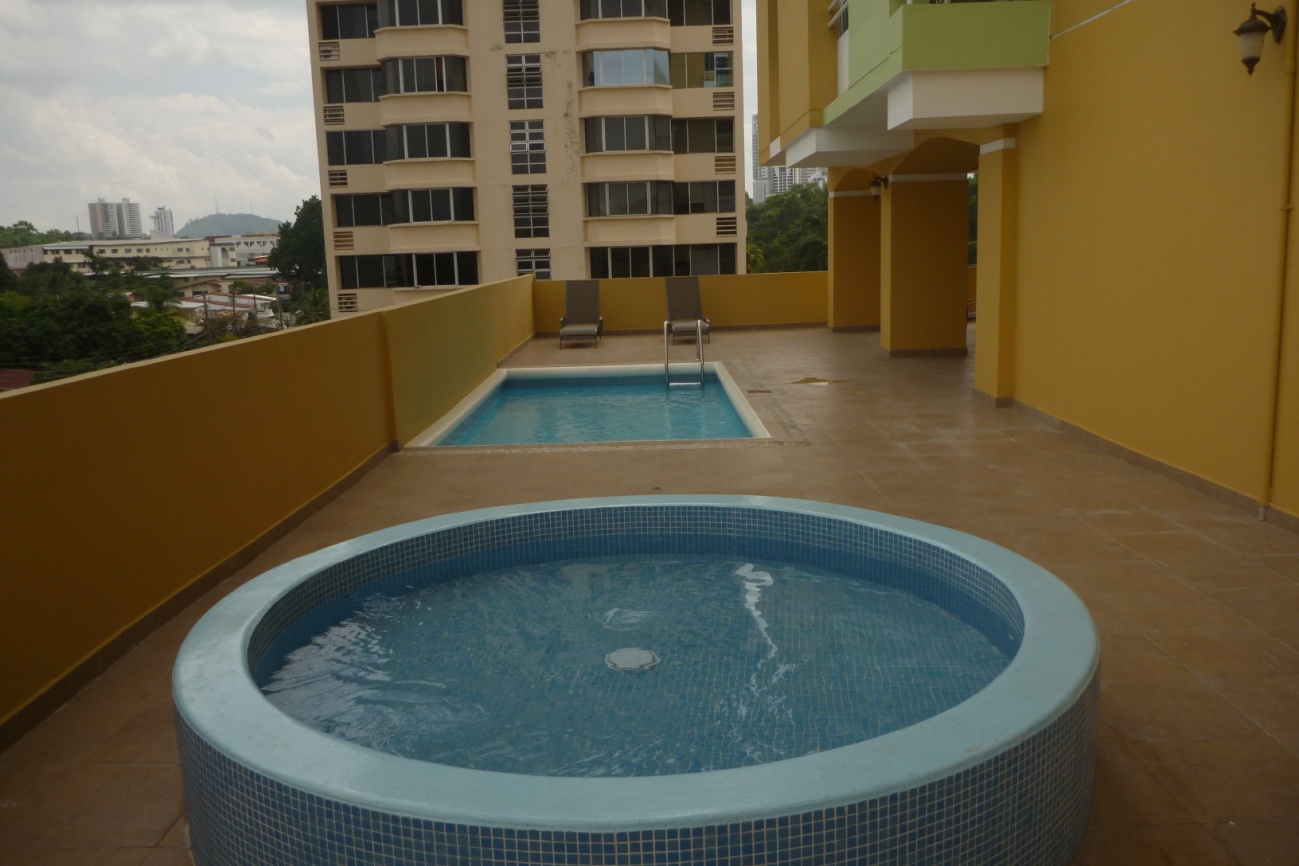
El Edificio cuenta con tres salones en el área social, un salón de banquetes con terraza y baños independientes grandes para el mismo, un salón de gimnasio y un salón de juego de niños. Una piscina grande y una de niños, dos entradas de estacionamientos cada una sirve a 10 apartamentos y no se comunican. Garita de guardia, jardinería, Lobby de ingreso y dos elevadores para 10 personas cada uno. 

Son únicamente 20 apartamentos en total (incluyendo los dos Pent House).
Valor del apartamento B/. 575,000.00 (Quinientos setenta y cinco milbalboas). 
Para mayor información contactar: al 507-6248-5075.

Panama: Laws promoting foreign investment

In 1948 Panama enacted its Colón Free Zone (CFZ) trade law, giving way to the creation of the second largest free trade zone in the world… and to a host of laws to come that would encourage foreign direct investment (FDI). The CFZ on the Caribbean end of the Canal is home to more than 1,800 companies enjoying incentives like no import duties, no income taxes, and a low 5% dividend tax.


Stability

One of the greatest incentives for foreign investments is the Legal Stability Law, which provides ten years of stability from increases stemming from future laws affecting national taxes, labor, import tariffs, and municipal taxes.

Panama Pacifico

Laws creating Special Economic Areas with similar incentives to the Colon Free Zone has resulted in several business parks like the 1,400 hectare Panama Pacifico which also enjoys exemptions from real estate, stamp and dividends taxes along with international calling taxes. There are more than 145 foreign companies operating in this area including eight Fortune 500 companies. 

The United Kingdom’s largest property developer, London & Regional, is developing Panama Pacifico and when completed is expected to employ 40,000 people and will be worth $10 billion USD which is more than half of Panama’s gross national product.

Exports

Export Processing Zone laws include similar benefits as the CFZ plus exemption from taxes on capital assets, patents and licenses. Additional benefits include elimination of immigration visa quotas and work permit restrictions for employing foreigners.

Call Centers

The Call Centers law provides similar incentives to the Colon Free Zone plus it provides exemption from the value added tax (ITBMS), and relaxed labor laws for flexible hours and lower holiday and overtime pay. Like the other zones mentioned above, call centers also enjoy immigration and work permit quota exemptions for their foreign employees.

Tech & education haven

The City of Knowledge, located in the former U.S. Army’s Fort Clayton, contains high tech companies, educational and international research facilities. All of the incentives provided to call centers are included here. Among organizations and universities with a presence here are the Red Cross, UNICEF, The UN, and Florida State University.

Regional headquarters

Multinational Regional Headquarters law allows multinational companies to open a regional headquarters here offering benefits including tax free income for business conducted outside of Panama. This law also makes it faster and easier to obtain immigration visas and work permits for “key” employees in “management” positions.

To take advantage of the incentives consult with a Panama law firm familiar with these laws along with labor and immigration laws.

Fuente: El Visitante 

 For more information
Cel: (507) 6070-0244
Web: www.arrochapanama.net
Mail: info@arrochapanama.net
Skype: waldemil
Blog: http://arrochapanama.blogspot.com

Como Exportar a la República de Panamá

En Arrocha Panamá brindamos el asesoramiento necesario a todos nuestros clientes exportadores que deseen introducir sus productos en Panamá o desde aquí al resto del mundo. 


REGISTRO SANITARIO 

Para introducir un alimento a la República de Panamá se necesita que el mismo posea un registro sanitario y/o fitosanitario de introducción de alimentos. También se debe notificar a la Autoridad Panameña de Seguridad Alimentaria (AUPSA) sobre la intención de introducir alimento al territorio nacional (mínimo 48 horas) antes de su llegada, mediante el Formulario de Notificación de Introducción de Alimentos.

Dicha Autoridad, en base a las Leyes Sanitarias y criterios técnicos y científicos, reglamenta la introducción de alimentos sanos al país, para el consumo humano y animal, haciendo cumplir los requisitos Sanitarios y/o Fitosanitarios, controlando la entrada de enfermedades y plagas, que pudieran poner en riesgo el patrimonio agropecuario de Panamá.  

Adicionalmente, todo alimento importado que se expenda envasado, embotellado o empacado, con nombre determinado y marca de fábrica debe ser registrado en la Autoridad Panameña de Seguridadde Alimentos, previo a su importación.

Requisitos y Procedimientos para el Registro Sanitario de Alimentos 

Se debe presentar ante el Departamento de Registro de Alimentos Importados de la AUPSA lo siguiente: Una solicitud con sus respectivos timbres fiscales que deberá contener la siguiente información: 

- Nombre del producto 
- Nombre del fabricante 
- Lugar de procedencia 
- Descripción del producto 
- Nombre del importador 

Adjunto a dicha solicitud se debe presentar: 

- Certificado de Libre Venta Original: para productos importados, expedido o refrendado por la Autoridad Sanitaria del país de origen, durante los últimos 6 meses anteriores a la solicitud y debidamente autenticado. 
- Fórmula cuali-cuantitativa. 
- Método de fabricación. 
- Información sobre conservación y estabilidad biológica del producto. 
- Fecha de producción y vencimiento. 
- Cuatro muestras del producto: del mismo lote (tamaño mínimo por muestra 200 g), representativa y debidamente identificada en base a la etiqueta con la cual se va a comercializar, con la Información completa y acorde a las normas de Etiquetado establecidas.  
- Dos (2) etiquetas originales o arte idéntico al original (con la información completa y acorde a las normas de etiquetado establecidas). 
- Descripción del sistema de notificación.

ETIQUETADO

En el etiquetado de alimentos y bebidas se maneja tanto el sistema decimal como el inglés, siendo necesario especificar en idioma español aquellas mercancías en las que se debe registrar dosis o precauciones de uso. Además debe aparecer el nombre y dirección del fabricante, los ingredientes, la fecha de vencimiento, el lote de producción y el contenido neto. 

Existe una sola norma de etiquetado para alimentos preenvasados, Norma Nº 52 del año 1974, la cuales muy general, por lo que la directriz a consultar es la Norma General del Codex para el etiquetado de los alimentos preenvasados.  

En el etiquetado del producto importado debe figurar obligatoriamente:

- Nombre del producto
- Contenido Neto
- Grado alcohólico
- Nombre y dirección del fabricante
- Nombre y dirección del importador
- Número de lote
- País de origen

                   For more information
              Cel: (507) 6070-0244
                Web: www.arrochapanama.net
                Mail: info@arrochapanama.net
                Skype: waldemil
                  Blog: http://arrochapanama.blogspot.com

El Mercado de Vinos en Panamá

Aunque Panamá es un país pequeño de 77.000 kilómetros cuadrados, con un población de unos 3 millones de habitantes, el consumo de vino ha aumentado, logrando posicionarse entre los principales consumidores per-cápita de América Latina.


El país no cuenta con un sector productivo y manufacturero fuerte. Sin embargo, dentro de las bebidas alcohólicas, el ron (uno de los mejores del mundo), seco (aguardiente) o la cerveza poseen una industria fuerte y asentada a nivel nacional.

En Panamá el consumo de vino se está poniendo de moda, por lo que se ha triplicado en los últimos años. Este consumo se ha fortalecido gracias a la creciente oferta de restaurantes, bares y hoteles en toda la República de Panamá, ya que el país está apostando a una fuerte industria turística. 

El 46,5% de las familias de la ciudad de Panamá tienen ingresos de alto poder adquisitivo y estas son las que demandan productos importados. Entre las personas con rentas más altas está poniéndose de moda todo lo europeo. El vino español es el más vendido entre los residentes europeos y compite con los vinos de mesa latinoamericanos. Francia e Italia han quedado en un segundo plano en la elección de los panameños.

Panamá es un país tradicionalmente importador siendo el 20% de la oferta de alimentos y bebidas, procedente de otros mercados. Cuenta con una importante selección de vinos y poco a poco se está implantando su cultura. En Panamá se puede encontrar una vasta gama de vinos provenientes de Francia, España Chile, Estados Unidos, Argentina, Portugal, Grecia, y Sudáfrica. El vino italiano está presente con productos provenientes de diversas regiones entre las que se mencionan: Piemonte, Veneto, Umbria, Sicilia, Trentino, Abruzzo y Lombardia. 

La representatividad que tiene la zona libre y los almacenes de depósito es enorme. En nota aclaratoria en las Estadísticas de Comercio Exterior consultadas se menciona que estos almacenes prestan un valioso servicio en la realización de operaciones especiales a las empresas relacionadas convel Comercio Exterior de la República de Panamá y tienen como función servir de depósito de mercaderías, sin pagar impuesto de introducción. La participación de las empresas particulares en el funcionamiento de estos almacenes está sujeta a la adquisición de patente comercial y licencia especial expedida por el Ministerio de Economía y Finanzas. 

La Zona Libre de Colón es el Centro Logístico Multimodal de Transporte y Servicios Internacionales. Permite que nuevas empresas de clase mundial puedan instalarse en la zona libre con mayor acceso a consumidores Latinoamericanos y del Caribe; también ayuda a reposicionar a la Zona Libre en el mercado mundial, tomando como base la posición geográfica privilegiada que tiene Panamá frente a otras zonas francas, puertos libres, zonas de tránsito o de servicios especiales. 

Tanto el vino como otras bebidas alcohólicas se enfrentan a aranceles muy altos que encarecen el producto y lo hacen menos atractivo comercialmente, se almacenan en estos lugares hasta su distribución final. Estos locales suponen el 95% de la procedencia de todas las exportaciones de vino a Panamá.

Los tipos de establecimientos de distribución de vinos y licores son supermercados y tiendas especializadas en estos productos. Para conseguir clientes, los distribuidores suelen organizar charlas y catas de vino en sus establecimientos.

Dentro del sistema de precios, a partir de la entrada de Panamá en la OMC se produjeron importantes cambios a nivel interno. Hubo una eliminación del sistema de regulación de precios, se estableció una ley de competencia y se creó la Comisión de Libre Competencia y Asuntos del Consumidor (CLICAC). El distribuidor suele aplicar al producto un 20-30% de margen comercial, aumentado éste cuando se trate de un artículo con una conservación especial. 

El 80% del vino que se consume en Panamá es tinto, sin embargo el vino blanco continúa manteniendo una consistente cuota de mercado. La mayoría de estas exportaciones se quedan en la Zona Franca de Colón y de allí gran cantidad se reexporta a otros países. 

El mercado panameño de vinos ha evolucionado influido por la oferta gastronómica, la difusión de información de los clubes de vino y la constante apertura de tiendas especializadas de vino.

Los especialistas panameños señalan que los vinos chilenos tienen el 60% del mercado local incidiendo su excelente relación calidad/precio. Parte de su éxito conquistando mercados, es que fueron los primeros en desarrollar el área de exportación de vinos. 

En este mercado hay cuatro diferentes conocedores de vino: los que saben si es tinto o blanco, los que buscan por país, los que quieren un vino según uva o variedad y los que saben de uva, país y añadas.  

En base a la diversidad de preferencias, las empresas distribuidoras tratan de complacer todos los gustos e incluir en sus portafolios las principales demandas. Para mantenerse actualizados visitan ferias internacionales para catar las últimas novedades. 

El consumidor más joven prefiere los vinos más frescos y frutados. El consumidor más experimentado busca vinos elegantes y complejos como los españoles.
 
Guía para Exportar a la República de Panamá

REGISTRO SANITARIO 

Para introducir un alimento a la República de Panamá se necesita que el mismo posea un registro sanitario y/o fitosanitario de introducción de alimentos. También se debe notificar a la Autoridad Panameña de Seguridad Alimentaria (AUPSA) sobre la intención de introducir alimento al territorio nacional (mínimo 48 horas) antes de su llegada, mediante el Formulario de Notificación de Introducción de Alimentos.

Dicha Autoridad, en base a las Leyes Sanitarias y criterios técnicos y científicos, reglamenta la introducción de alimentos sanos al país, para el consumo humano y animal, haciendo cumplir los requisitos Sanitarios y/o Fitosanitarios, controlando la entrada de enfermedades y plagas, que pudieran poner en riesgo el patrimonio agropecuario de Panamá.  

Adicionalmente, todo alimento importado que se expenda envasado, embotellado o empacado, con nombre determinado y marca de fábrica debe ser registrado en la Autoridad Panameña de Seguridadde Alimentos, previo a su importación.

Requisitos y Procedimientos para el Registro Sanitario de Alimentos 

Se debe presentar ante el Departamento de Registro de Alimentos Importados de la AUPSA lo siguiente: Una solicitud con sus respectivos timbres fiscales que deberá contener la siguiente información: 

- Nombre del producto 
- Nombre del fabricante 
- Lugar de procedencia 
- Descripción del producto 
- Nombre del importador 

Adjunto a dicha solicitud se debe presentar: 

- Certificado de Libre Venta Original: para productos importados, expedido o refrendado por la Autoridad Sanitaria del país de origen, durante los últimos 6 meses anteriores a la solicitud y debidamente autenticado. 
- Fórmula cuali-cuantitativa. 
- Método de fabricación. 
- Información sobre conservación y estabilidad biológica del producto. 
- Fecha de producción y vencimiento. 
- Cuatro muestras del producto: del mismo lote (tamaño mínimo por muestra 200 g), representativa y debidamente identificada en base a la etiqueta con la cual se va a comercializar, con la Información completa y acorde a las normas de Etiquetado establecidas.  
- Dos (2) etiquetas originales o arte idéntico al original (con la información completa y acorde a las normas de etiquetado establecidas). 
- Descripción del sistema de notificación.

ETIQUETADO

En el etiquetado de alimentos y bebidas se maneja tanto el sistema decimal como el inglés, siendo necesario especificar en idioma español aquellas mercancías en las que se debe registrar dosis o precauciones de uso. Además debe aparecer el nombre y dirección del fabricante, los ingredientes, la fecha de vencimiento, el lote de producción y el contenido neto. 

Existe una sola norma de etiquetado para alimentos preenvasados, Norma Nº 52 del año 1974, la cuales muy general, por lo que la directriz a consultar es la Norma General del Codex para el etiquetado de los alimentos preenvasados.  

En el etiquetado del producto importado debe figurar obligatoriamente:

- Nombre del producto
- Contenido Neto
- Grado alcohólico
- Nombre y dirección del fabricante
- Nombre y dirección del importador
- Número de lote
- País de origen


For more information
Cel: (507) 6070-0244
Web: www.arrochapanama.net
Mail: info@arrochapanama.net
Skype: waldemil
Blog: http://arrochapanama.blogspot.com

Offshore Company Benefits

An Offshore Company offers numerous benefits to an existing business or to an individual on a multitude of levels. Overseas company formation can provide a wealth of benefits: offshore asset protection, confidentiality, enhanced privacy, tax savings or simply growing your business outside of the UK / EU / US. There are, however, a number of pitfalls to bear in mind and choosing the right jurisdiction / offshore financial centre in which to form your company(ies) is critical. The offshore location must suit you and your needs analysis, so careful consideration and advice is paramount. 


Incorporating offshore means that you will have to deal with a number of offshore operating formalities associated with each type of jurisdiction and will result in the need to select a jurisdiction / tax haven / offshore financial centre. Each jurisdiction has a slightly different value proposition for international clientele and the benefits vary greatly, however they can vary depending on the costs of offshore company incorporation and the offshore company incorporation process involved. The common benefits include:

  • Anonymity
  • Offshore Asset Protection
  • Protection from Legal Action
  • Reduction in Taxes
  • Ease of set up / operation
  • Complete Financial Privacy
Conducting business and undertaking banking transactions in the name of a legal entity, such as an offshore corporation, provides significant privacy and confidentiality benefits. The names of the officers, directors and shareholders can be excluded from the offshore company's documentation in many jurisdictions - The Caribbean and Belize, for example. However, with the world-wide drive to eliminate terrorism funds and reduce the harbouring of the proceeds of criminal activities, there is anti money-laundering legislation that will permits professionals reviewing offshore structures. Most offshore financial centres will not divulge the names involved in the offshore corporations, specifically the owners’ names, to a third party or foreign government. That is, unless an act of criminal atrocity or terrorism has taken place and is being investigated.

The placing of assets into offshore corporations and overseas legal structures can provide a strong layer of protection from future liabilities. “Own nothing, control everything” is the mantra and game-plan of some of the wealthiest and most legally shielded individuals on the planet. By having trusts, investments or bank accounts and other assets owned by your offshore corporation makes tracking them down via an asset search terribly difficult. Offshore companies provide highly effective asset protection and effectively screen your finances from public view.


If a legal opponent is pursuing a legal action against you, it typically involves an asset search to make sure there will be money to pay out, were a judgment to be awarded against you. If assets are in an individual's name, they are terribly easy to locate in an asset search. Forming offshore companies and having assets held by the overseas company means they are no longer associated with your name. Therefore your assets can be effectively shielded from legal opponents, judges and court rulings simply by incorporating offshore.

An additional offshore company benefit is simplicity and ease of operation. Most overseas jurisdictions make it simple for anyone who is interested in incorporating as they appreciate that time is, literally, money. The statutory obligations in the running of the offshore entity have been made simple, too. 


For more information contact:   
Phone: (507) 6070-0244
Mail: info@arrochapanama.net
Web: www.arrochapanama.net
Facebook: arrocha.panama
Twitter: @arrochapma

Panama Corporation Law

Panama Corporate Law Corporations in Panama are governed by Law 32 of February 26, 1927. Two or more persons of legal age, not necessarily Panamanian citizens or residents of the Republic of Panama, may form a corporation for any lawful purpose. It is not necessary that the capital be even partially held by Panamanians. Under Panama's Corporation Law it is possible to organize a corporation owned by only one person. Subscription to all or any percentage of the capital stock is not required. It is acceptable for incorporators to agree to the subscription of stock shares. The usual practice is to state that each incorporator agrees to subscribe to one share each.


Law 32 of 1927 requires a minimum of three officers (a president, a treasurer, and a secretary) and three directors. However, one person may hold two or more offices. It is not necessary that the directors or officers be Panamanian nominees or shareholders. Finally, it is not even necessary for the interested parties to be present in 
Panama for the purpose of organizing a corporation.

The major advantages of a Panamanian Corporation can be summarized as follows:

The freedom to appoint directors and officers of a any nationality and country of residence.The freedom to appoint nominee directors and officers (provided by by our associates in 
Panama).The legal protection afforded for the confidentiality of business and banking transactions. The tax exemption status provided to offshore companies.The complete anonymity afforded to owners of Panamanian Corporations through the use of bearer shares of stock.The freedom of capital movement in and out of Panama and the absence of regulatory supervision. The absolute confidentiality of banking transactions under accounts belonging to corporations with nominee directors and bearer shares in the hands of the owner.

According to 
Panama's Corporation Law 32 of 1927 ("the Panama Corporation Law"), corporations may be created by any two persons of any nationality. The Panama Corporation Law is based on the Delaware Business Corporation Law of 1926. Unlike the laws of many offshore jurisdictions, there is no difference between domestic and offshore companies in Panama. All corporations pay taxes only on income derived from Panama.

Panamanian Law requires a minimum of three (3) directors and three (3) officers. These three directors may also act as officers of the company i.e. President, Secretary and Treasurer, or other positions as desired. Directors and officers need not be shareholders and they may be non-resident aliens. Directors may be companies or natural persons. Nominee Directors are provided by Maritime International Ltd. if desired, at no additional cost.


The following names may not be used without a licence or special permission:

Bank, Building Society, Savings, Insurance, Assurance, Re-Insurance, Fund Management, Investment Fund, Trust or their foreign language equivalent.

All Panamanian corporations must end with the suffix "Corporation", "Incorporate", "Sociedad Anonima" or the abbreviations "Corp". "Inc" or "S.A". They may not end with the suffix Limited or the abbreviation Ltd.

The standard authorised share capital is US $10,000 divided into 100 common voting shares of no par value. The capital may be expressed in any convertible currency. The minimum issued capital is either one share of no par value or one share of par value. Higher capitalization requires higher government fees. 
  
The advantages of incorporating in Panama are:

Total secrecy and anonymity, protected by statute.No requirement to disclose beneficial owners.No requirement to file annual return/financial statements or hold annual general meetings of shareholders or directors. Full exemption from taxation on any business activity or transaction carried on outside of 
Panama. Reasonable formation and maintenance costs and fees.No minimum nor maximum capital requirements.Minimum registration fee on capital.

Corporations may engage in any lawful business in any country and may carry on transactions in whatever currencies they choose. Companies may issue Registered or Bearer shares, preferred shares and non-voting shares.  The shareholders, directors and officers may be of any nationality and may be residents of any country. Neither the directors nor the officers need be shareholders. Shareholders and/or directors may hold their meetings in any country and they may attend such meetings by proxy.

 
General Information

The 
Republic of Panama, with an area of approximately 76,900 square kilometres, is located between Costa Rica and Colombia, and forms the narrowest and lowest portion of the Isthmus that links North and South America. The population of Panama is approximately 3.1 million, about 52 percent of which is urban, and Spanish is the official and spoken language. English is also spoken widely in urban areas and is used daily in commerce and international trade.

The Isthmus of Panama was discovered in 1501 by Rodrigo de Bastidas who played a leading part in the establishment of Santa Maria La Antigua del Darien in 1510; the first permanent settlement on the mainland of the Americas. In 1513, Balboa led an expedition, in 
Panama, that discovered the Pacific OceanPanama City was founded by Pedro Arias Davila on 15th August 1519, almost a hundred years before Jamestown, the first permanent English settlement in North America was founded. Panama was a Spanish colony until 1821 when it became part of the Gran Colombia of Simon Bolivar. In 1903, Panama broke its alliance with Colombia and became an independent republic.
  
Government

There are free and democratic elections with universal suffrage. The executive branch of the goverment is at present composed of a President and one Vice- President, elected for a five year term by direct election.

Legal Structure

The legal system is based on Spanish Civil Law with many Common Law influences; particularly regarding Company Law which is based on the 
Delaware model. Generally, corporations are incorporated under the Corporation Statute Law 32 of the 1927 Commercial Code.

Panama Private Interest Foundations

The PIF vehicle is relatively new in Panama, becoming law in 1995, but the Foundation concept has existed in Liechtenstein for many years, and, although based upon the well established Liechtenstein legislation, the Panamanian structure has additional attributes, and is more flexible.

A Foundation is generally used to hold cash, investments and shares in private, commercial, or holding companies, particularly with a view to Estate planning; in which area it is an eminently suitable vehicle. Beneficiaries can validly include the Founder, family members, third parties or institutions. 
 The Founder or client may generally retain full control over the assets held by the Foundation throughout his lifetime, and the Founder may at all times amend his disposition or dissolve the Foundation; the Foundation Council may be required by the Regulations to act only upon the First Beneficiary's instructions.


Protected Confidentiality

The Panamanian law on Foundations imposes strict sanctions on the members of the Foundation Council and associated bodies, as well as on any private or public employees, which may have any knowledge of the activities, transactions, or operations of a Foundation in case of any unwarranted breach of confidentiality. 
 These penalties are without prejudice to any corresponding civil liability. This implies that, as a matter of law, all information regarding a Foundation is strictly the property of the Foundation itself, no unauthorized parties having access to same, and any knowledgeable persons being liable to sanctions should any information regarding the Foundation be unduly shown to others. Therefore, access to documentation regarding the Foundation is strictly limited, which may not be the case in Foundations established in other jurisdictions.

Panama PIFs can usually be created for around US$950.00, while the cost of a Liechtenstein Foundation may exceed US$10,000.00 while offering no advantage to justify the extra expense. In 
Panama, the annual PIF maintenance is similarly less costly than Liechtenstein.

The PIF can be created by three or more natural persons or by a juridical entity, such as a corporation. The founder can be nominee. A foundation charter is created, which in essence, is similar to IBC incorporation, and like IBC incorporation documents, the foundation charter document is public record.

The Foundation is directed by a Council of three or more members which can also be nominee. In addition, like a trust, a private protector may be named to have special oversight authority. The client may wish to take this position, especially if nominee council members are being used. The position of 'Protector' is not required, but it is advisable.
The position of protector can be applied by private agreement between the Foundation and the person acting as protector, but there is extra protection for the client if the position is spelled out in the foundation charter.

Panama Private Interest Foundation Charter Requirements

Name of the Foundation - The name of the foundation can be expressed in any language, but must contain the term 'foundation' as part of the title to indicate that the entity is in fact a foundation structure.

Initial Patrimony - The initial patrimony is the amount used to fund the foundation. The foundation can be funded in any currency, but the initial patrimony cannot be less than the equivalent of US$10,000.00. The initial funding or contribution does have to be done at the time the foundation is created. There is no public record of the foundation assets other than the fact it was originally funded with ten thousand dollars.

Council Members - The foundation structure must have a minimum of three council members who are natural persons, or a juridical person, such as a corporation that has three directors. The names and addresses of the council members is public record.

Purpose of the Foundation - The foundation may be created for any lawful purpose, such as the maintenance and welfare of minor children, a college tuition or scholarship funding for any person, the maintenance and welfare of the founder upon his or her retirement, the maintenance of a building or property, the benefit of any charitable foundation or organization, or any other purpose the founder desires within the confines of the law.

Beneficiaries - Like a trust document, the foundation structure must name beneficiaries and the basis of distribution entitlement for each beneficiary. The foundation charter must also indicate the manner in which any assets are to be disposed of upon its dissolution. The founder of the foundation, or the client, may be named as a beneficiary.

Domicile - The domicile of the foundation can be located or indicated as any desired jurisdiction, but IMT suggests that Panama, or another 'civil' law jurisdiction, be used. Resident Agent - The foundation must have a local Resident Agent which is ordinarily a duly authorized lawyer or law firm, with a physical presence in Panama.

Foundation Duration - The foundation can have a specified life span if the client so desires. 

Practical Uses

The practical uses and strategies possible through the PIF are many, and for asset protection, there is probably no better entity available in any jurisdiction at this time.

 
Assets placed in a PIF are sole and separate property and cannot be seized or attached to satisfy the personal debts, or judgments, including divorce judgments, or lawsuits, or any other liabilities, or obligations of the founder or the beneficiaries.

Although a PIF cannot technically engage in business activities, it can be used through the beneficial owner of the shares of onshore, or offshore, companies engaged in business activities. It is also permissible for the PIF to engage in any activity, which will increase the value of its assets.
The PIF can own bank accounts, securities, brokerage accounts and real estate holdings, and since there are no ownership shares in a PIF, the founder does not own the foundation, and thereby may benefit in areas such as tax reporting and asset protection.

For more information contact:   
Phone: (507) 6070-0244
Mail: info@arrochapanama.net
Web: www.arrochapanama.net
Facebook: arrocha.panama
Twitter: @arrochapma